Touch an agent context window to activate it. Speak your intent. The physical interface is built for directing agents, not typing prompts.
> RARE_SIGNAL — OPEN-SOURCE SUPERPOWERS
Rare Signal
The self-driving computer for builders.
VibeStation X is an open-source spec and turnkey hardware-software stack where one person can direct serious software work through touch, voice, context routing, and self-driving computing.
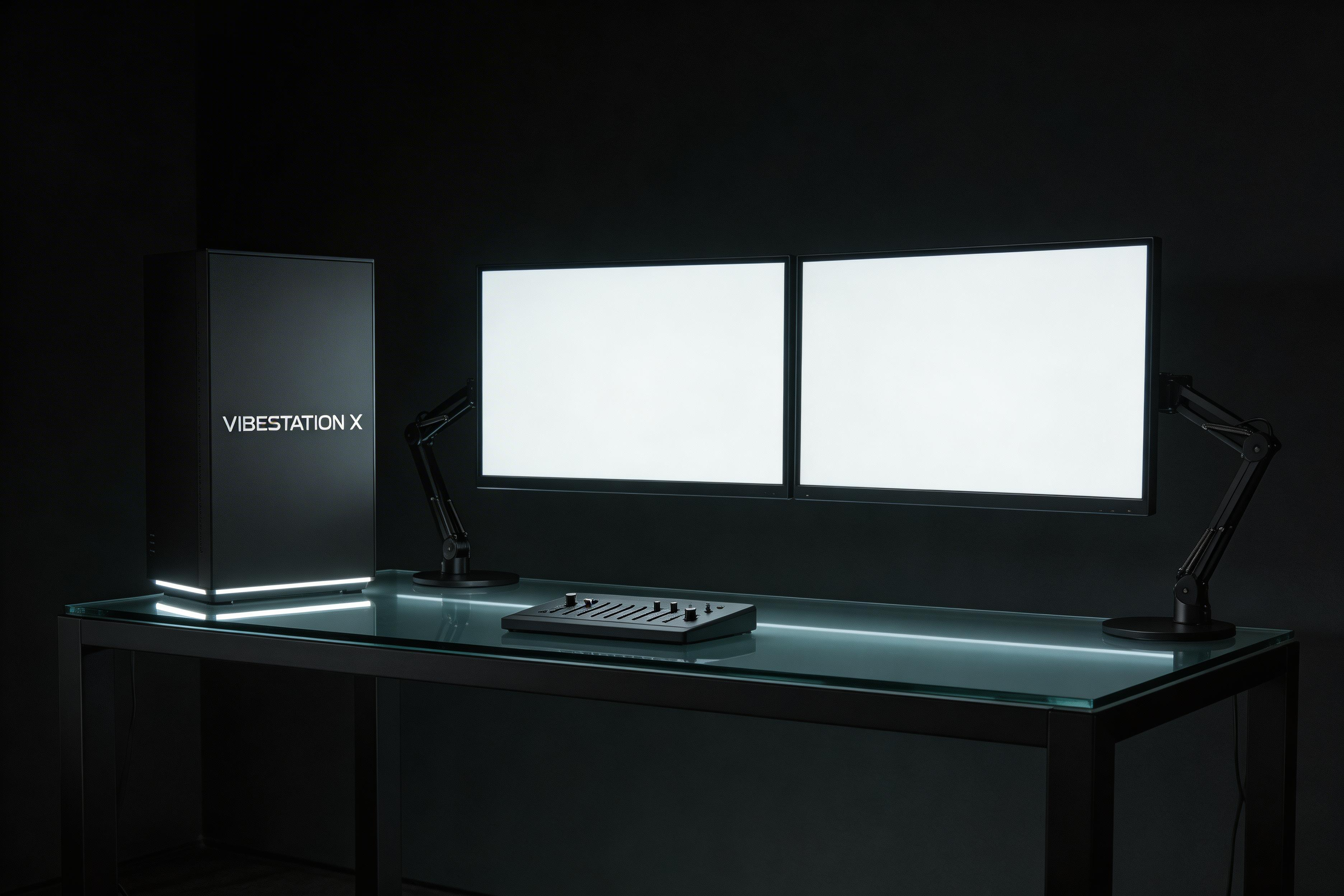 The lock-in machine
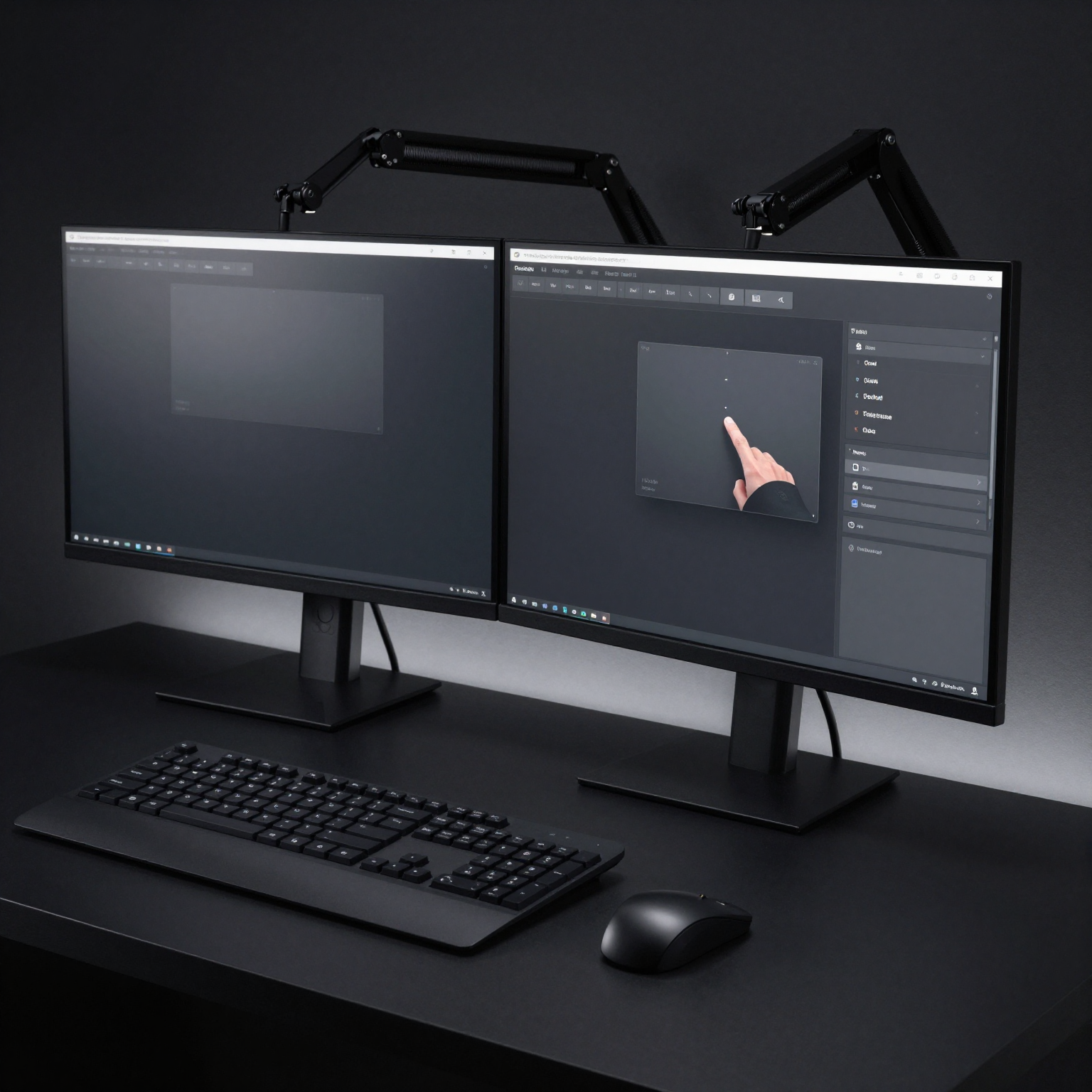 Multi-agent orchestration
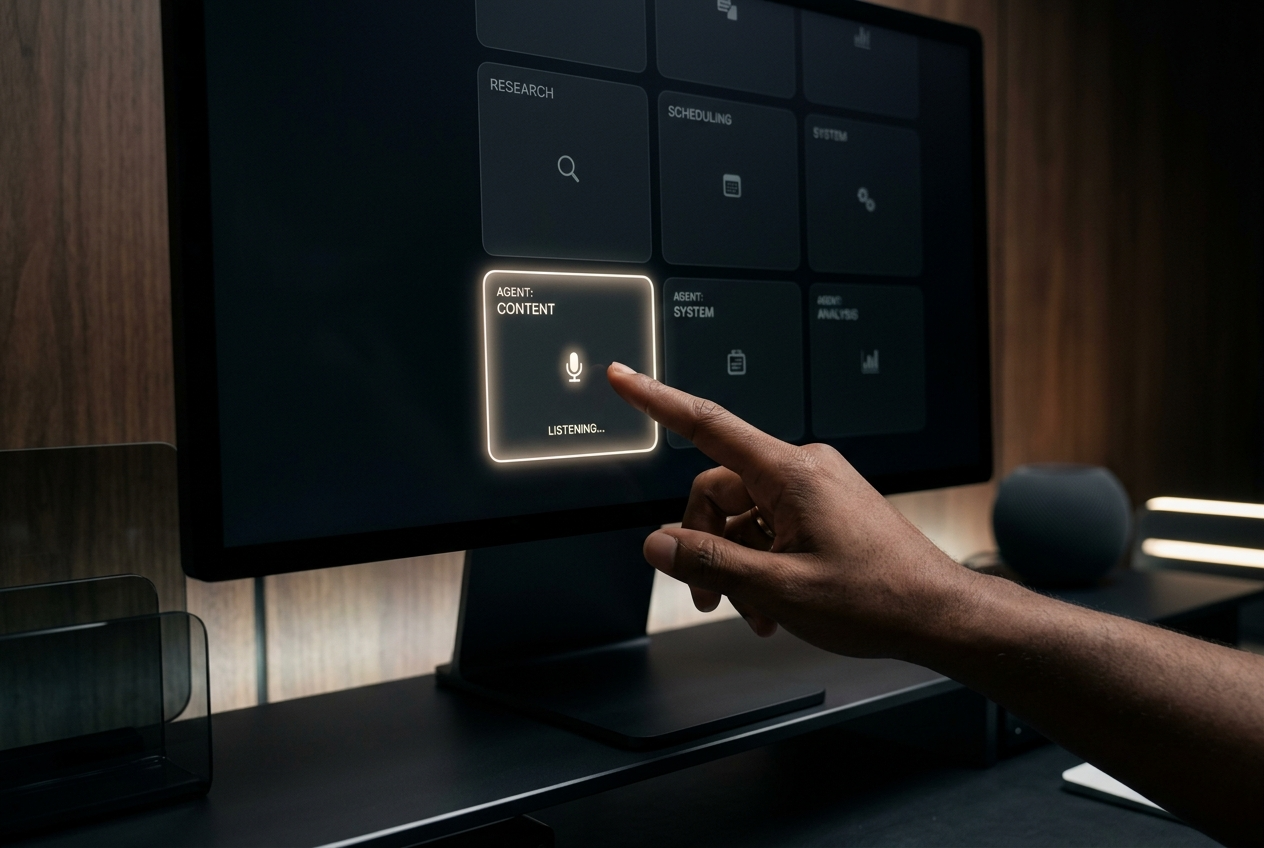 Agent content / listening
VibeStation X is coming. Get the spec, the build guide, and early access.
Computer 2.0
You are still using a computer the way you used it in 2015.
Eleven tabs. Four chat windows. A terminal you forgot about. A prompt you typed twenty minutes ago that may or may not still be running. You copy-paste between tools that don't know each other exist. You are the glue. You are the bus. You are the context window.
That's not computing. That's managing a disaster with good posture.
Computer 2.0 is a different relationship with the machine. The computer knows what you're working on. It knows which agent is active, which repo is open, which conversation matters right now. You don't type a prompt and wait. You specify intent and the system moves. Touch an agent window to activate it. Speak. Watch it work. Redirect. The machine is not a tool you operate — it's an environment you inhabit.
This is the new way to use a computer. And it is a fucking awesome way to use a computer.
The machineTouch + voice control surfaces Unified conversation context From browser box to GPU rig Catches stalls before they become patterns
Not another AI app. A new computing environment.
The market has a lot of AI capability and very little AI environment. Everything is fragmented: tabs, chats, prompts, unclear agent state, brittle context, too much manual glue. VibeStation X is the physical and experiential grammar for serious agentic work. The core shift is from manual steering to specification.
All your chats, across all your tools, repos, and human developers — one coherent stream. No more scattered tabs and half-connected threads.
Open-source spec means anyone can build one. The configurator scales from a passed-down Windows 10 machine to a premium local GPU station. Same system, different levels.
The system learns your cadence, detects when you're losing velocity, and surfaces the right signal at the right time. Push here.
The cave
Every builder already has this computer. It's just not designed yet.
You know the setup. Every engineer at every big tech company has one at home. The real machine. Not the company laptop — the personal one. Fully articulating monitor arms. Mechanical keyboard. Maybe a local GPU. The one where side projects actually ship. The one where you're not on Slack. The one where personal agency lives.
It's always improvised. Cobbled together from Reddit threads and Amazon boxes. A great monitor on a mediocre arm. A perfect keyboard next to a tangled mess of cables. The instinct is exactly right — you need a dedicated environment for serious creative-technical work. The execution is always ad hoc.
VibeStation X is that machine, but designed with intention. The articulating arms, the display topology, the input surfaces, the software shell, the agent routing — all considered as one product surface instead of a pile of good-enough parts.
And before this, there was the first version. A Gateway PC in your bedroom. An open window. The whole internet arriving through a beige tower next to your bed. You were ten years old and you had access to everything. MS Paint. CDs full of shareware. The AOL dial-up tone. That feeling — of sitting down at a machine and knowing that anything was possible — that didn't go away. It grew up. Now it builds companies.
Come get your superpowers
You sit down. You lock in. Things happen.
You snap your fingers and applications materialize out of thin air. You speak a specification and watch agents fan out across your codebase. You touch a context window and an entire project state loads into working memory — yours and the machine's, simultaneously. You are not prompting. You are conducting.
Hoodie on. Lights off. The glow of three monitors and nothing else. You don't look like a CEO. You look like a guy who hasn't been outside in two days. But the output tells a different story — a solo operator shipping work that used to require a team of twelve. The world sees the product. It never sees the cave.
Become a wizard of latent space. Not through arcane knowledge or a CS degree from Stanford, but through an environment that was actually designed for this moment. The models are already here. The capability exists. What's missing is the station — the physical, tangible, deliberate place where a human being sits down and becomes unreasonably productive.
The computer you grew up with gave you the internet. This one gives you leverage.
Control surfacesTouch, voice, context routing, self-driving computing
Agent supportClaude, Codex, Cursor, Antigravity, custom agents
IsolationContainerized sessions, air-gapped separation
ArchitectureOpen-source spec + turnkey premium build
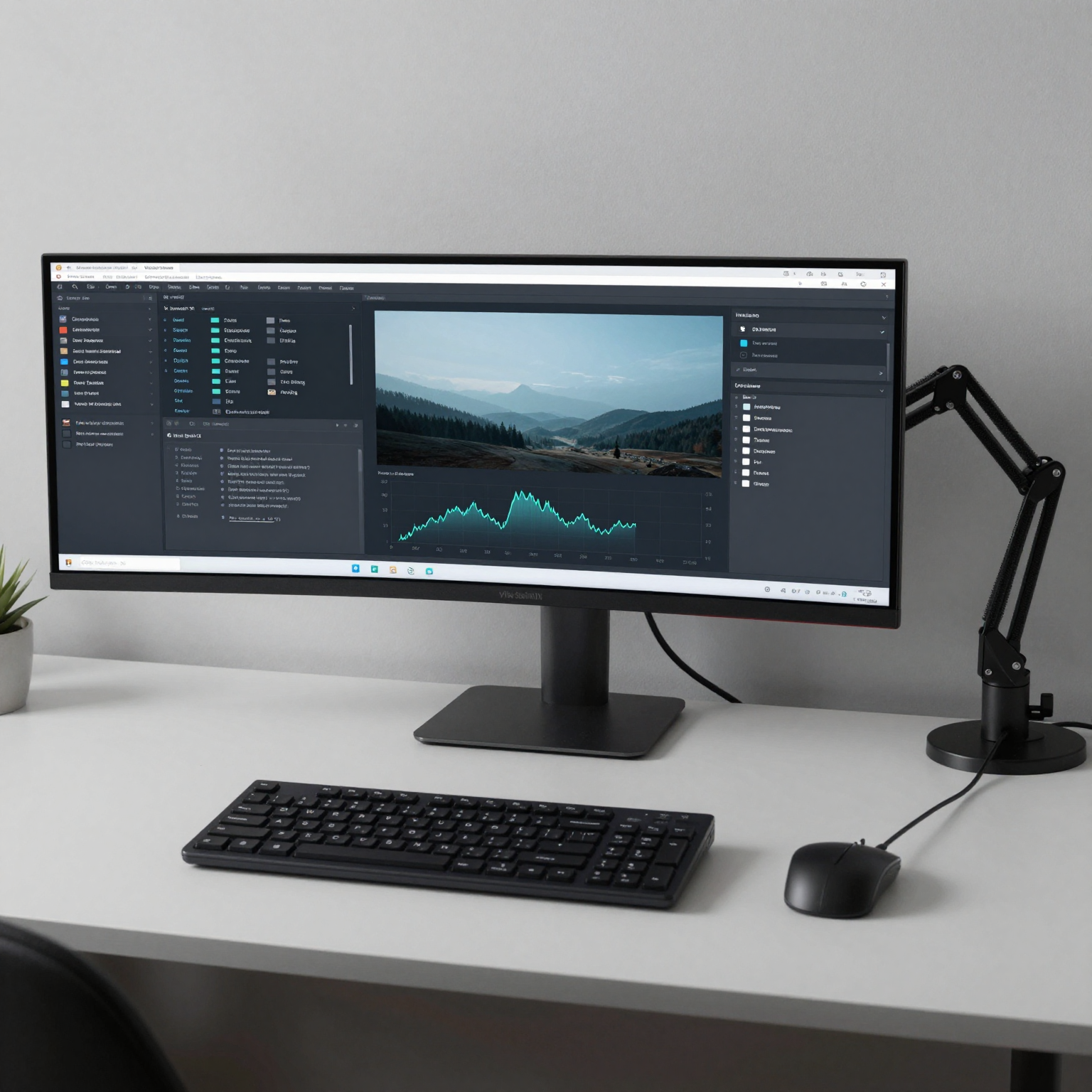 Ultrawide single-display path
Ships with Wayseer
Agentic coding sidecar, preinstalled.
Wayseer maintains persistent context across tools and repos while preserving your momentum. It sits at the crossroads where your scattered AI tools meet — surfacing what matters now, not drowning you in context. Session memory, cross-repo awareness, and momentum preservation out of the box.
Build the future. Lock in.
The open-source spec creates trust. The premium build captures the value of convenience, curation, and out-of-the-box coherence. Everybody needs to lock in right now.
Back to Rare Signal